

Data Centers Meet Green Energy: The $2 Trillion Clean Tech Revolution
The digital economy's insatiable appetite for computing power is creating an unprecedented opportunity for clean technology innovation. As artificial intelligence applications proliferate and datacenters expand globally, these facilities are becoming the largest single drivers of clean energy adoption and technological advancement. This convergence of digital infrastructure and environmental technology represents a $2 trillion market transformation that's reshaping how we think about energy production, consumption, and efficiency.
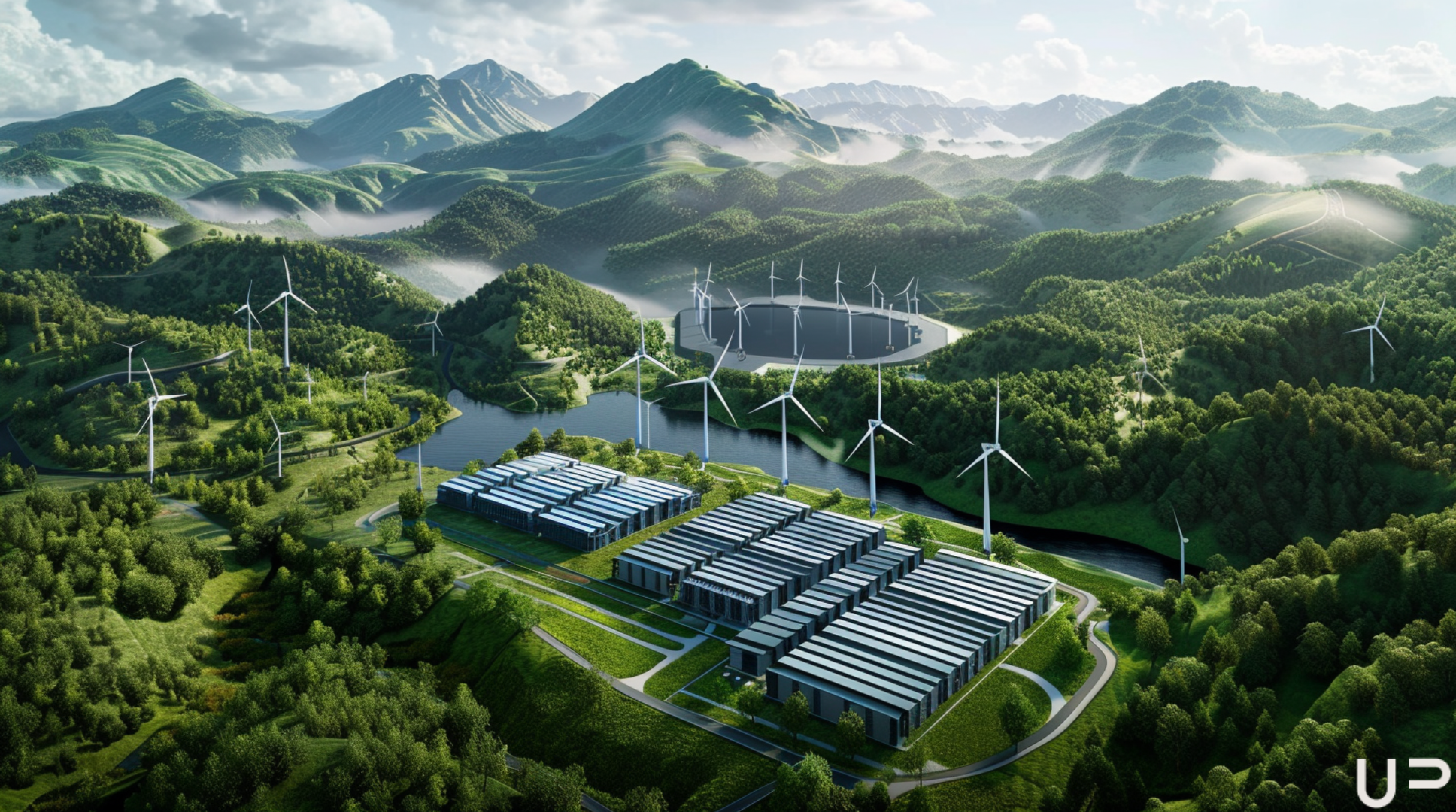


The digital economy's insatiable appetite for computing power is creating an unprecedented opportunity for clean technology innovation. As artificial intelligence applications proliferate and datacenters expand globally, these facilities are becoming the largest single drivers of clean energy adoption and technological advancement. This convergence of digital infrastructure and environmental technology represents a $2 trillion market transformation that's reshaping how we think about energy production, consumption, and efficiency.
1. The Scale of the Challenge Data centers currently consume approximately 1% of global electricity, but this figure is set to triple or quadruple by 2030 as AI workloads surge. Unlike traditional energy consumers who prioritize cost optimization, data center operators are increasingly price-insensitive when it comes to reliable, clean energy solutions. This unique market dynamic is unleashing innovation at an unprecedented pace, with companies willing to pay premium prices for technologies that ensure uptime while meeting sustainability commitments.
2. AI-Driven Cooling Revolution Advanced cooling technologies are experiencing breakthrough innovations as data center operators seek to maximize efficiency. Liquid cooling systems are reducing energy consumption by up to 40% compared to traditional air cooling methods, while precision air conditioning with AI optimization enables real-time temperature adjustments. Immersion cooling technologies are emerging for high-density computing environments, and machine learning algorithms now predict cooling needs based on workload patterns and weather conditions to minimize energy waste while preventing equipment failures.
3. Grid Hardening and Energy Storage Integration The concentration of critical computing infrastructure is driving massive investments in grid hardening technologies. Advanced battery storage systems are creating microgrids for independent operation during outages, while predictive analytics optimize energy storageand release cycles. Renewable energy installations integrated with storage systems provide 24/7 clean power, and grid balancing technologies ensure operations during peak demand periods or grid instabilities.
4. Renewable Energy Integration at Scale Tech giants are becoming the largest corporate purchasers of renewable energy, with companies like Microsoft, Google, and Amazon contracting for gigawatts of clean power. This demand is driving innovation in renewable energy technologies, from floating solar installations optimized for data center power profiles to advanced wind turbine designs specifically engineered for consistent power delivery. The 24/7 energy needs of data centers are particularly spurring development in energy storage and grid balancing innovations that support massive renewable energy integration.
5. Next-Generation Energy Efficiency Beyond cooling and power, data centers are pioneering energy efficiency innovations across all systems. Advanced power management chips are reducing computation energy requirements, while more efficient server designs are being optimized for AI workloads. AI-optimized workload distribution maximizes computational efficiency, and some leading facilities are achieving Power Usage Effectiveness (PUE) ratios below 1.1, meaning that for every watt used by computing equipment, less than 0.1 watt sare consumed by supporting infrastructure.
Conclusion The intersection of data center growth and clean energy adoption represents one of the most significant technology convergences of our time. As digital infrastructure becomes increasingly essential to global econom yfunction, the clean technologies developed to power these facilities efficiently and sustainably are creating ripple effects across all energy-consuming industries. This $2 trillion transformation is not just changing how we power data centers—it's accelerating the development and deployment of clean technologies that will benefit society far beyond the digital realm.


.png)


